
The grocery and food industry is entering a decisive phase. Margin pressure remains high, consumer expectations continue to evolve, and operational complexity is increasing across every channel.

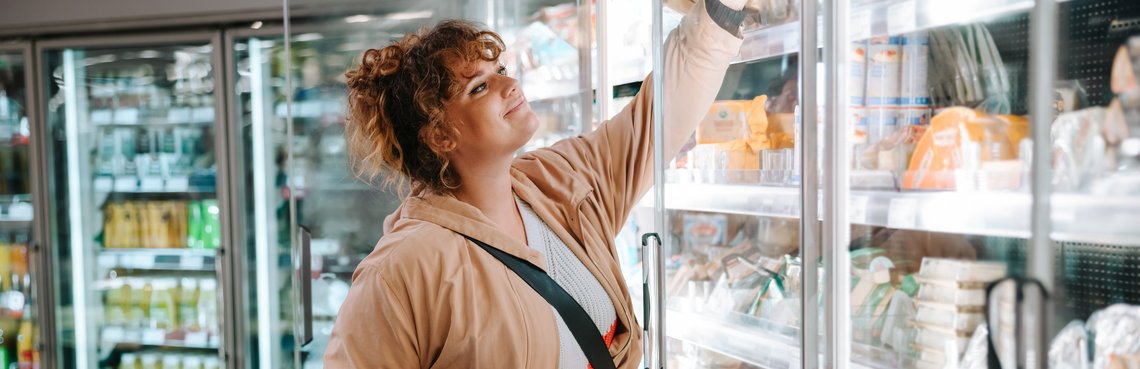
The Future of Grocery is Automated
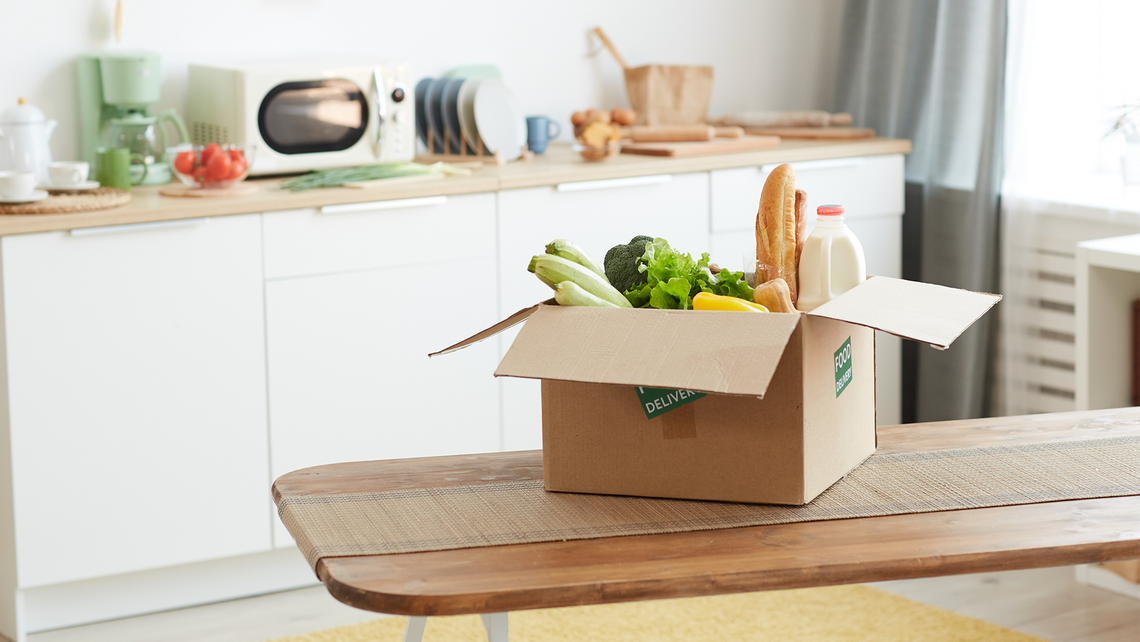
Value-focused shopping is strengthening private labels. Convenience and ready-to-eat categories are accelerating. EGrocery and omnichannel fulfillment demand new levels of speed and precision. At the same time, labor shortages, supply chain volatility, and rising shrink challenge operational stability.
For decision-makers, one thing is clear:
Supply chain performance has become a strategic differentiator.
Based on insights from three leading research studies, the TGW Logistics Grocery Trend Paper highlights the developments that will shape performance, resilience, and profitability in the years ahead.
Download for free
The Trends That Matter Now
1. Economic & Consumer Trends
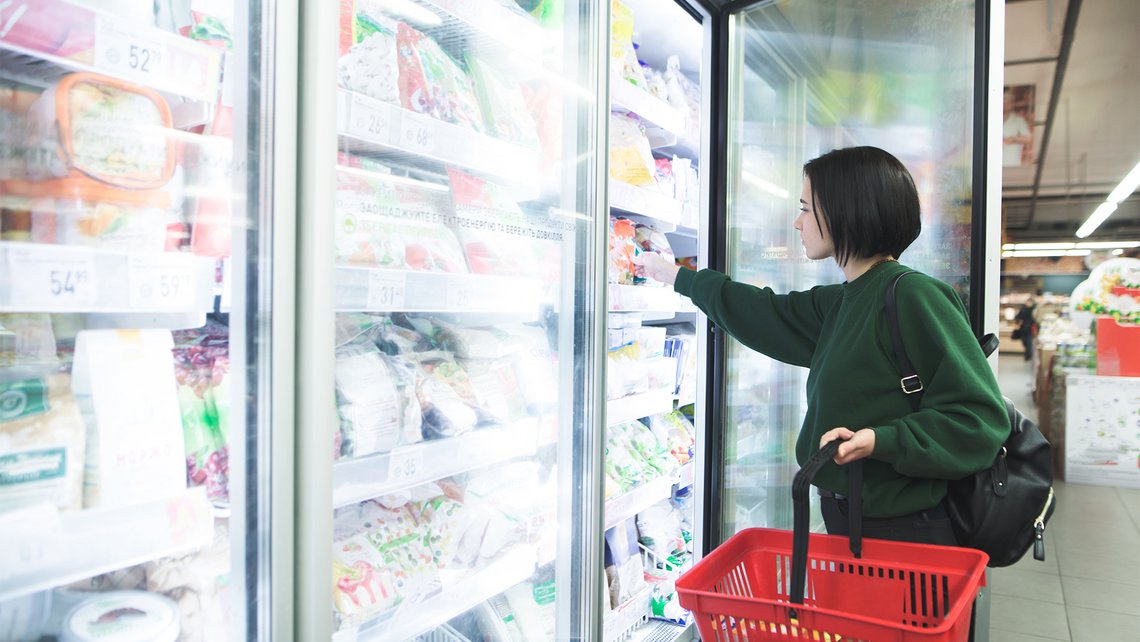
Consumer behavior is evolving faster than most organizations can adapt. Private label growth, value-focused shopping, and rising demand for convenience and health are reshaping revenue models and margin structures.
2. Operational Resilience & Technology Adoption
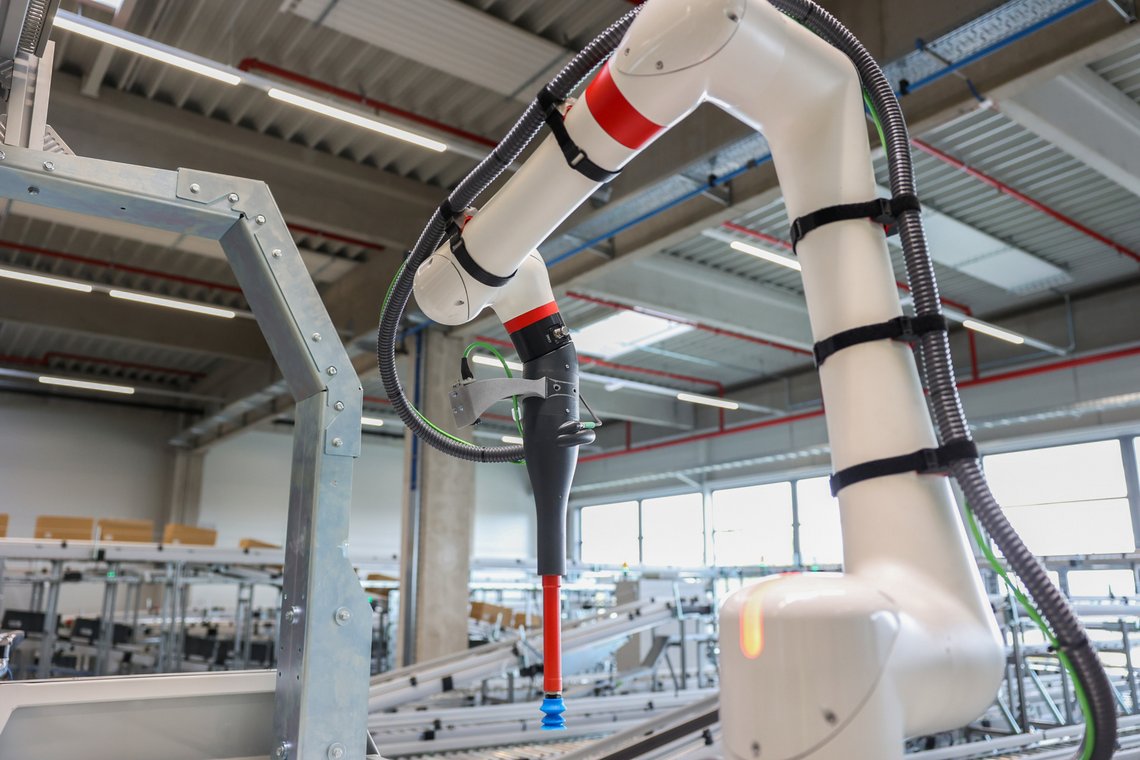
Efficiency is no longer a cost topic — it is a strategic lever. Automation, AI, and greater operational transparency are becoming essential to manage volatility and scale performance.
3. Competitive Landscape & Growth Vectors
The rules of competition are changing. Discounters expand, consolidation accelerates, and new revenue pools such as retail media redefine where profits are made.
Strategic Imperatives for Growth
Long-term success in grocery supply chains depends on aligning customer focus, technology, and operational excellence with clear growth priorities.
Download the free paper below and discover the strategic moves that will shape grocery supply chains in 2026 and beyond. You will learn how leading organizations are leveraging customer insights, automation, and operational efficiency to gain a competitive edge.
Future trends in grocery retail: Insights from leading studies
To help executives navigate these changes, TGW Logistics consolidated insights from three leading research studies into a single, decision-ready grocery trend paper. It highlights what matters now and where leaders should focus next to improve resilience, optimize operations, and drive profitable growth.
Download the TGW Logistics Grocery Trend Paper here for free:
Download
Bringing it all together: TGW Grocery Logistics
At TGW Logistics, we help grocery turn complexity into competitive advantage.
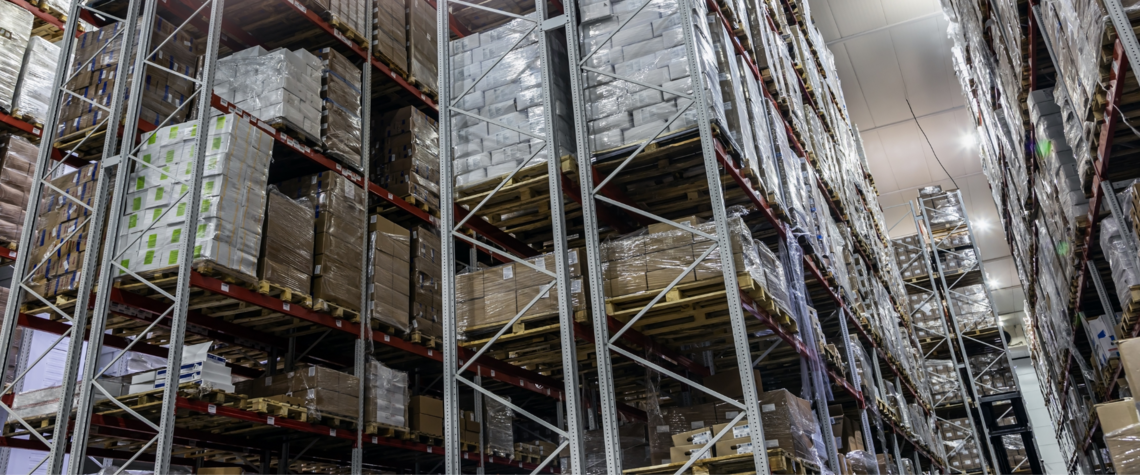
Our solutions combine intelligent warehouse automation, advanced software, and operational expertise to create supply chains that are efficient, resilient, and scalable.
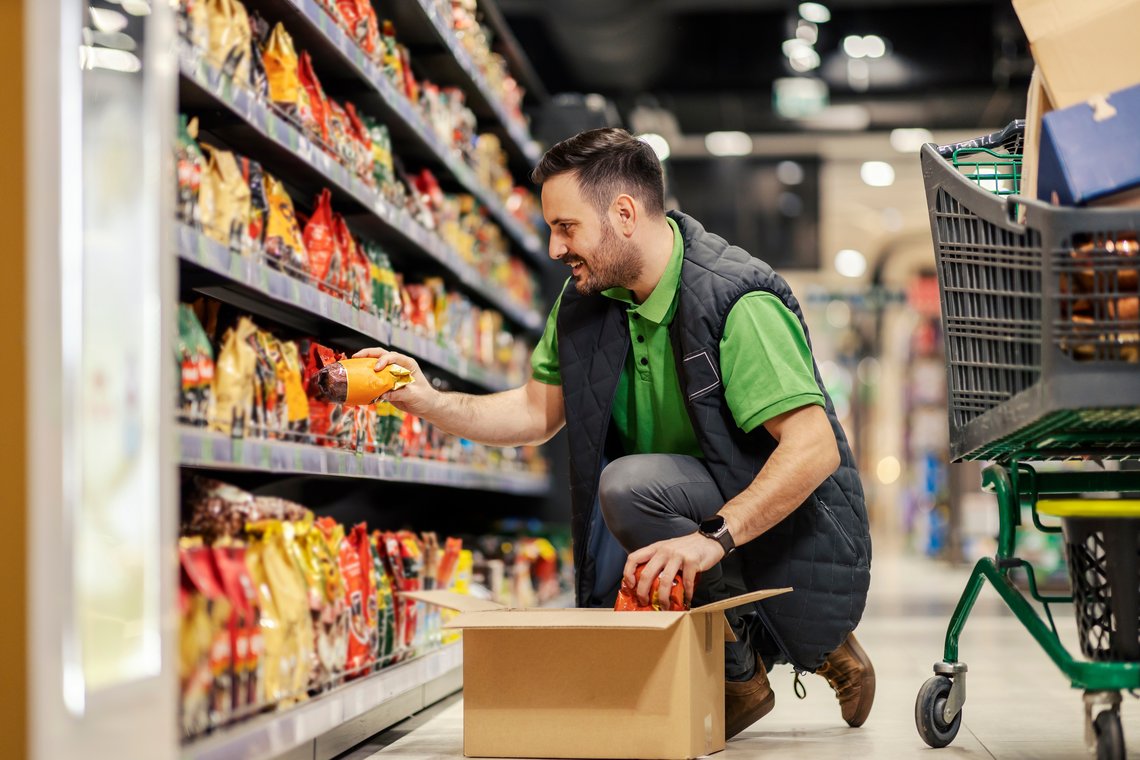
With our support, grocery leaders can meet growing consumer expectations, protect margins, and focus their teams on value-adding activities — because lasting success is built in the warehouse, not just on the shelf.
Michael Schedlbauer is VP of Business Development for Grocery at TGW Logistics, with decades of global experience in automation and supply chain optimization.
Interested in collaborating or learning more?

TGW Logistics is a foundation-owned enterprise headquartered in Austria and a global leader in warehouse automation and warehouse logistics. As a trusted systems integrator with more than 50 years of experience, we provide end-to-end services: designing, implementing, and maintaining fulfillment centers powered by mechatronics, robotics, and advanced software solutions.
With over 5,000 employees across Europe, Asia, and North America, we combine expertise, innovation, and a customer-centric dedication to help keep your business growing. With TGW Logistics, it's possible to transform your warehouse logistics into a competitive advantage.