
The Benefits of Redundant Systems Design for Shuttle Aisles in Automated Storage and Retrieval System (ASRS)
As consumer expectations soar in grocery, fashion, and ecommerce, the pressure on distribution facilities to deliver consistent, uninterrupted performance has never been higher. That’s why, when uptime defines customer satisfaction, redundant design in material handling is non-negotiable. Automation optimizes material flow, but what happens when equipment fails?
Without redundant design, operations lurch to a halt, and expectations are not met. Especially in shuttle aisles, redundancy is not an extra benefit but a core architectural element for industries that demand continuous fulfillment. In this blog, we’ll explore everything technical decision-makers need to know about redundant systems design, including the engineering behind it, as well as how it strengthens and reinforces every automated storage and retrieval system (ASRS) application in your facility.
What Redundant Systems Design Means in an Automated Storage and Retrieval System Shuttle Environment
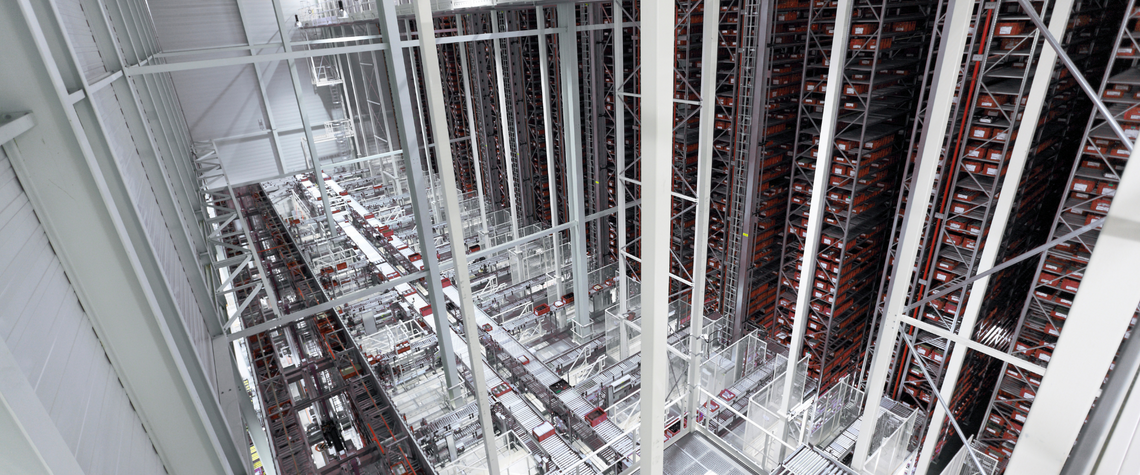
What do we mean when we talk about redundancy in warehouse automation? Simply put, it’s the intentional removal of single points of failure across all critical subsystems. Redundant design guarantees the greatest amount of availability and uptime possible, even if individual functions go offline. In warehouses that rely on automated storage and retrieval system applications to optimize storage space, increase accuracy, and speed up fulfillment times, such failsafes are vital.
Redundant systems design is essential for maintaining ASRS reliability in fast-paced, high-volume distribution environments. This can be done by building shuttle aisle redundancy directly into the automation architecture, whether that be through increasing the number of shuttles, alternative access paths, or intelligent traffic management. Optimal resilience is the foundation of high-availability logistics, ensuring that service levels remain stable and operations can absorb disruptions without compromising overall performance.
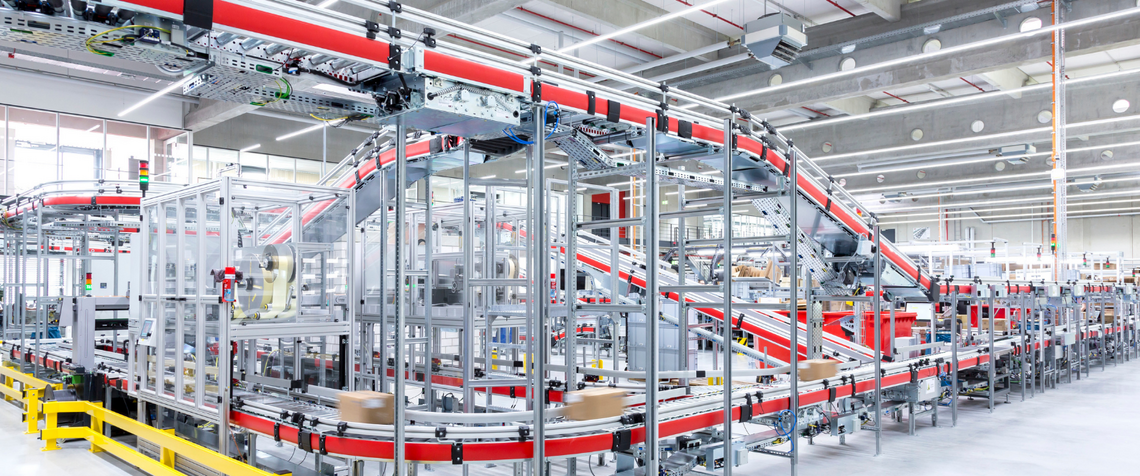
To achieve this, redundant design is typically implemented at several layers: shuttles, lifts, conveyor loops, motorized rollers, inbound/outbound paths, and workstation sequencing.
The Core Components of Redundant Shuttle Aisle Design
Let’s take a closer look at the points where redundancies can be integrated into your automated storage and retrieval system. To make things clear, we’ll use our standard FlashPick 6K system as a reference.
With TGW Logistics’ design, maintenance doesn’t require your entire shuttle system to be paused for maintenance on one section. Opening a maintenance access door stops all the shuttle activity on that maintenance level only, while the rest remain fully operational. After performing the necessary service, the maintenance worker manually reactivates the affected shuttles using a button.. The maintenance level becomes operational again only after the maintenance worker leaves the area and closes the door that triggers the activity. The benefit is that maintenance issues can be addressed quickly without further slowing material flow, even within the same aisle.
Another redundancy can be built into the tote lift devices. Our design has two load-handling devices per mast, each capable of moving independently of the other. When all equipment is operational, these apparatuses can achieve a throughput of 1,500 totes per hour per aisle. If one load-handling device fails, it will “park” at the top or bottom to receive the required maintenance, allowing the other to continue handling all vertical movement. With uninterrupted replenishment and extraction, the fulfillment process can continue without significant disruption.
Each aisle features dual inbound/outbound conveyor lines, which serve as the interface between the shuttle aisle lift and the rest of the conveyor system. The inbound/outbound conveyor transfers load carriers to and from the load handling device at the lift. With a dual setup, if one goes offline, the other takes over. Integrated with TGW Logistics’ dynamic load-handling devices, alternate routing is an easy workaround.
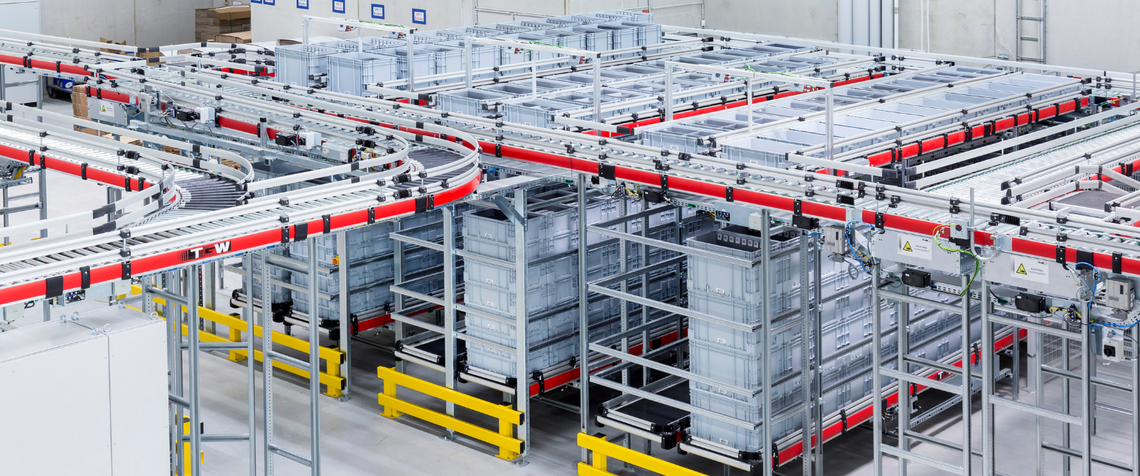
The first- and second-level picking loops of TGW Logistics’ conveyor network are connected, allowing totes to be transferred between levels. Each load-handling device in an aisle can feed the conveyor on either level, and the alternate loop remains active when one fails. This flexibility preserves circulation and workstation feeding pathways even during localized failures.
The high-performance KingDriver conveyor uses multiple motorized rollers per zone to maintain product flow when one or more rollers go down, isolating the issue. Once offline, rollers enter free-rolling mode and derive their momentum from the operating motorized rollers. Rapid maintenance requires minimal stoppage time, and the rollers auto-readdress after replacement.
How Redundant Systems Design Strengthens Overall ASRS Performance
Redundant systems save warehouse managers a lot of headaches, but they do much more. Implementing redundancies in your automated storage and retrieval system helps maintain consistent throughput and stabilize order sequencing during disruptions. It also helps your facility to continue to comply with customer SLAs and meet customer expectations. Contingencies fully integrated into your automation are especially necessary in industries with extremely tight uptime windows, such as cold chain logistics, fashion logistics, and ecommerce fulfillment.
Error Scenarios and How Redundancy Preserves Uptime
To illustrate how redundant design comes to the rescue during failures, let’s dig into some failure scenarios.
FlashPick as the Showcase Example of Full Redundant Shuttle Aisle Design
The gold standard of redundant shuttle aisle design is TGW Logistics’ FlashPick system. Each element of our signature order fulfillment system was conceived with redundancy in mind. From shuttles to lifts to conveyors, FlashPick’s architecture enhances automated storage and retrieval system reliability, increases network resilience, and ensures predictable order cycles. With contingencies at every critical point, FlashPick’s system-wide redundancy structure maximizes uptime and keeps your facility moving.
How Redundancy Integrates Into Broader GTP System Architecture
Shuttle aisle redundancies work with GTP systems to keep pick stations supplied, even when upstream components face delays or outages. By enabling alternative access paths and maintaining inventory availability from multiple directions, the system absorbs disruptions before they impact the entire material flow process. This built-in resilience also reduces the risk of cascading failures across automation tiers, preventing one interruption from reverberating through storage, retrieval, conveyance, and workstation workflows.
Selecting an ASRS Provider: What Technical Decision-Makers Should Look For
When shopping for an automated storage and retrieval system provider, look for designs with multi-layer redundancy, modular shuttle and aisle isolation, lift independence, and flexible conveyor loops that can reroute product flow during disruptions. Equally important is redundancy-aware software that can detect faults, dynamically reassign tasks, and maintain throughput without manual intervention. Decision-making teams can also reference guidance from organizations such as OSHA and MHI on safety standards and material-handling best practices.
Redundant Shuttle Aisle Engineering as a Core Advantage in Modern Material Handling
It’s not an optional, special feature. Redundancy is the backbone of high-availability ASRS design and must be considered early in automation discussions. Redundant shuttle-aisle engineering is especially valuable in grocery logistics, fashion logistics, ecommerce fulfillment, and other areas that depend on fast fulfillment times. TGW Logistics’ FlashPick architecture showcases best-in-class ASRS reliability and performance continuity by incorporating redundancies at every critical point. Get in touch with us today to find out how we can help reduce your facility’s downtime and meet customer needs.

TGW Logistics is a foundation-owned enterprise headquartered in Austria and a global leader in warehouse automation and warehouse logistics. As a trusted systems integrator with more than 50 years of experience, we provide end-to-end services: designing, implementing, and maintaining fulfillment centers powered by mechatronics, robotics, and advanced software solutions.
With over 4,600 employees across Europe, Asia, and North America, we combine expertise, innovation, and a customer-centric dedication to help keep your business growing. With TGW Logistics, it's possible to transform your warehouse logistics into a competitive advantage.