

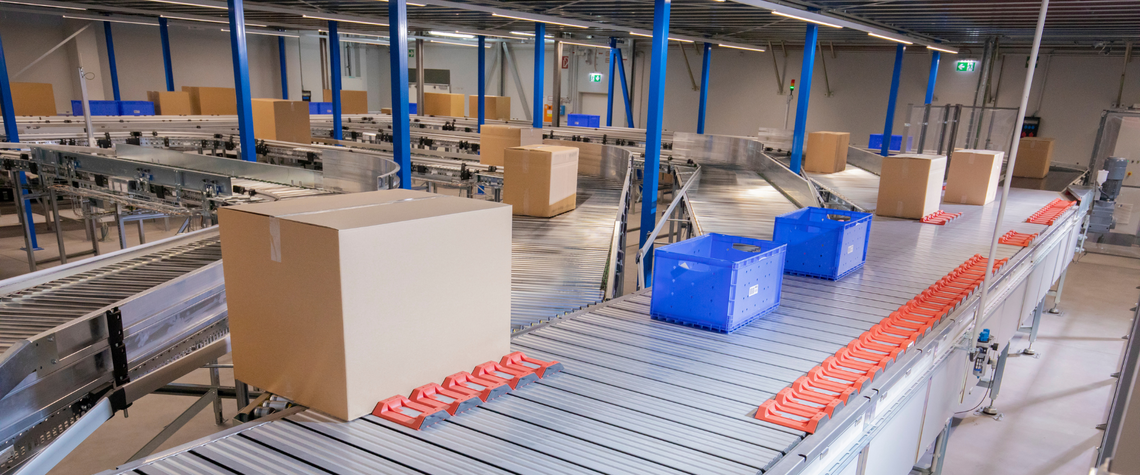
Beyond Logistics: The Growing Pressure of Marketing, ESG, and Regulations on Warehouse Operations
Packaging has shifted from a back-end task to a strategic factor that influences cost, customer experience, and compliance. As retailers face pressure from sustainability commitments, regulatory mandates, and brand expectations, warehouse automation has become a core capability that shapes how warehouse operations adapt. This shift is especially visible in fashion logistics and retail logistics, where packaging variety and return rates put greater pressure on fulfillment centers.
Packaging once focused on protection and speed. Today, it shapes brand loyalty, determines how much waste an operation produces, and directly influences regulatory risk. For leaders in logistics and supply chain, packaging is no longer a detail at the final mile of fulfillment. It has become a strategic business variable that affects network design, SKU strategy, labor planning, and warehouse operations structure. Warehouse managers feel this shift in daily workflows, while upper management focuses on the long-term, strategic impact on growth and brand reputation.
ESG Mandates Are Rewriting Core Warehouse Processes
ESG goals used to be aspirational. Now they’re formal requirements imposed by investors, customers, and regulators across the consumer goods logistics sector.
Warehouses must adjust their operating models to support multiple sustainability pressures. These include:
- Material reduction targets that demand more right-sized packaging and fewer single-use components
- Lifecycle sustainability goals that favor recyclable or compostable materials in both standard and premium packaging
- Energy efficiency expectations that apply to equipment, automation, and facility operations
- Traceability requirements that call for origin labeling, chain-of-custody reporting, and carbon accounting
To meet these standards, warehouse automation has to do more than keep orders moving. It now needs to help teams reduce packaging waste, automatically select the most sustainable options, and support decisions that balance material type with protection. High-density storage, intelligent routing, and configurable workflows become essential when sustainability is part of operational decisions.
Regulations Are Reshaping Fulfillment Design
Packaging regulations are expanding across regions and across industries. EPR laws in North America and Europe now hold brands responsible for the disposal and recyclability of packaging materials. New labeling mandates require clear documentation and transparency in how items are shipped. Chemical restrictions influence which materials can be used for cushioning, adhesives, and coatings. Cross-border shipments add further requirements for how goods must be declared and sealed.
These rules increase the operational burden on warehouse operations, especially when fulfillment centers must:
- Verify packaging materials through additional scanning and documentation
- Maintain consistent packaging formats to support auditability
- Extract regulatory data directly from automated systems
- Coordinate information between inbound, packaging, and outbound teams
Warehouse automation helps keep these processes compliant without sacrificing throughput, but it must be selected and configured with regulatory workflows in mind. System architecture is a key factor in how quickly a warehouse can adapt to new rules.
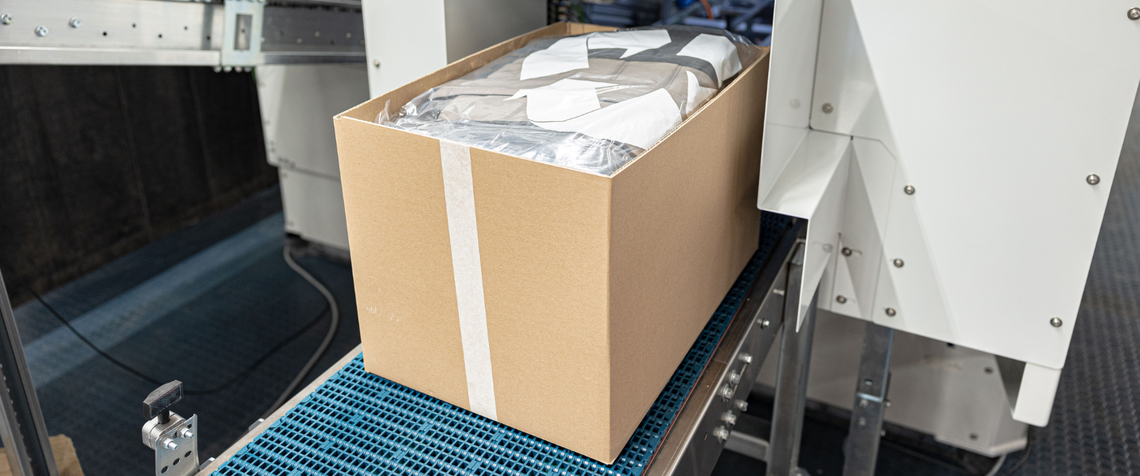
Marketing and Brand Strategy Are Now Operational Stakeholders
Marketing teams shape packaging more directly than ever. Packaging affects brand identity, customer experience, and channel differentiation. That makes marketing a core collaborator in decisions that influence warehouse operations.
Packaging decisions driven by marketing often introduce variability in:
- SKU assortment and the number of packaging materials
- Inserts, promotional elements, and branded components
- Retail, e-commerce, and direct-to-consumer packaging differences
- Line changeover requirements and workstation design
These expectations also influence warehouse automation design. Equipment built for standardized boxes and predictable flows might struggle with a portfolio of packaging types aligned to brand expression. This creates demand for flexible material handling systems and hybrid automation strategies that balance throughput with adaptability.
For example, right-sized packaging may reduce dimensional weight charges and improve sustainability metrics, but requires technology that can cut, form, or seal cartons dynamically. Fashion brands frequently launch seasonal promotions that require limited-run packaging, while big-box retail promotions often involve high-volume, mixed-SKU kits that demand fast, repeatable packing workflows. Campaign-driven packaging may require rapid changeovers at workstations supported by mobile robotics or software-driven routing.
Automation Must Adapt to Packaging Complexity
Packaging automation needs are shaped by SKU variability, personalization, and channel complexity. If personalization is high and packaging requirements shift frequently, operations need flexible automation and software that can determine the routing of each order. This is common in multi-channel environments that balance retail, e-commerce, and subscription models. Fashion logistics, with its extreme SKU variation and high returns volume, benefits from routing software that adapts packing paths in real time.
Teams facing this complexity often rely on systems such as adaptive cartonization, mobile robotics, and dynamic routing software. These tools enable rapid adjustments and more accurate packaging decisions, even as order profiles change hour by hour.
If personalization and SKU variability are low, the environment becomes more predictable. In these cases, a smaller set of fixed packaging tools, such as box erectors, case packers, or lidders, may be the most efficient approach. These machines support high throughput without the complexity of constant configuration changes.
The principle is straightforward. Diverse packaging needs call for adaptable warehouse automation and intelligent decisioning. Predictable packaging needs to benefit from a more focused equipment footprint.
How to Build a Packaging Automation Mix That Matches Your Priorities
Consider the types of packaging automation required to meet order characteristics and brand priorities. Most retailers need a mix of right-sizing capabilities, standard-sizing solutions, polybagging, and boxing options. The level of investment depends on what matters most to the brand and budget availability. Leaders who prioritize sustainability or personalization often require a broader packaging automation stack. Those who prioritize speed and consistency may choose a more focused toolkit.
TGW Logistics supports this range by integrating any form of packaging technology with both fixed and mobile automation. This includes right-size systems, cartonization technology, bagging machines, and box handling equipment. The goal is to create a smooth, consistent material flow that supports diverse packaging requirements without adding complexity for operators. This integration flexibility helps retailers future-proof their supply chain as packaging goals, materials, or brand programs evolve.
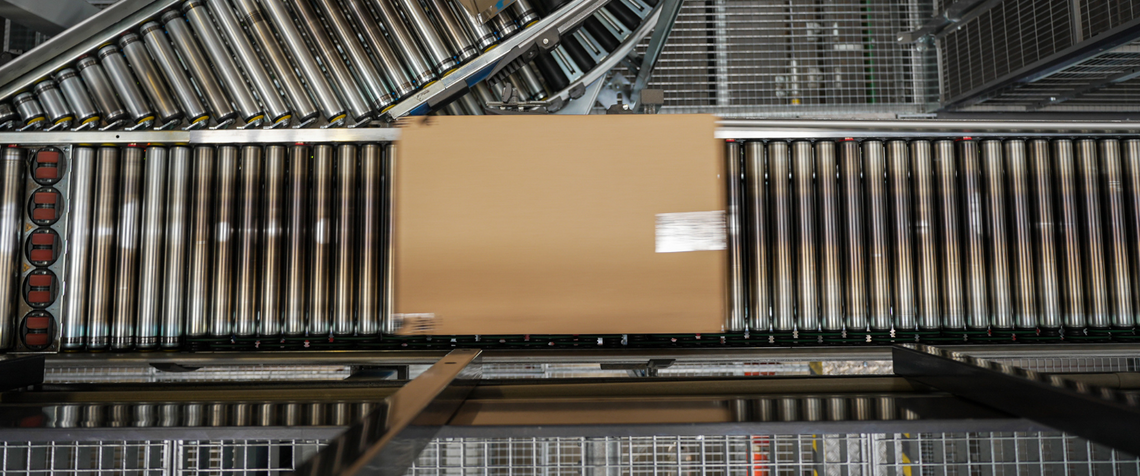
Why Packaging Must Be Part of Strategic Planning
Packaging decisions influence floorspace planning, SKU strategy, labor models, and the type of automation an operation can support. Leaders who treat packaging as a strategic component gain more flexibility and resilience. They also reduce waste, comply with regulations more easily, and control long-term costs.
When packaging is integrated early in network design and automation planning, retailers benefit from:
- More accurate alignment between packaging requirements and material handling
- Stronger sustainability performance and lower regulatory risk
- Improved customer experience across channels
- Better visibility through digital tools that link packaging flows to operational performance
Organizations that delay these considerations often experience the opposite. They face rising compliance risk, higher packaging waste, and equipment that struggles to keep up with new product lines or channel demands.
Recommended Watch
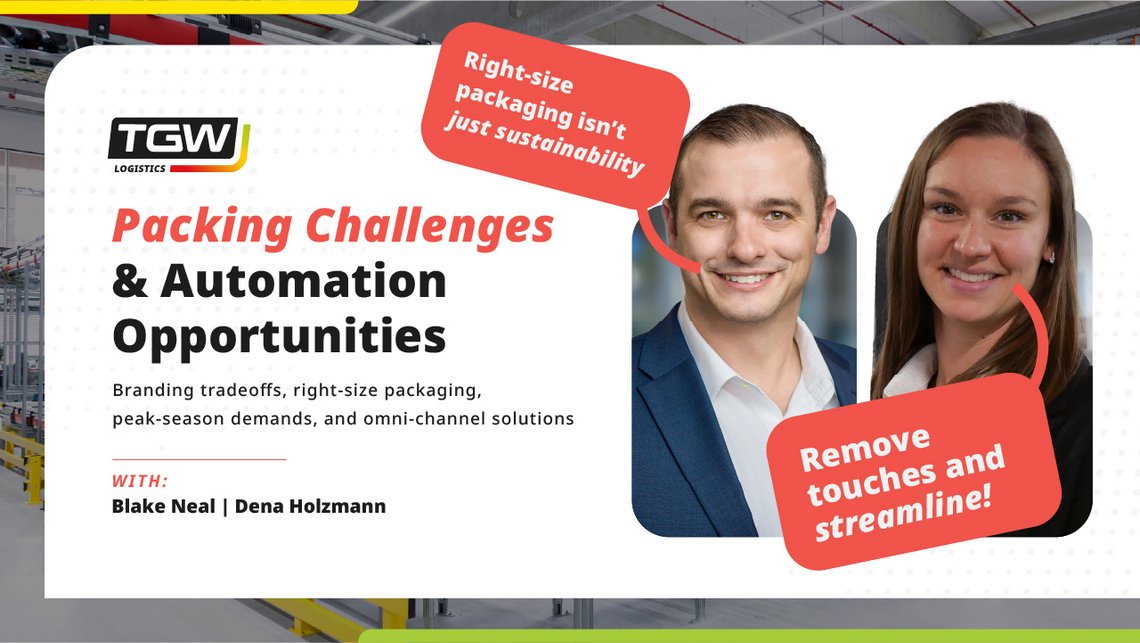
Curious to know more of our thoughts about packing operations and packaging automation? Click to watch an episode of our podcast where Blake Neal and Dena Holzmann dive into the ways that brand, cost, and throughput collide in packaging strategy and planning.
Packaging Strategy and Operational Strength
Modern packaging requirements place new pressure on logistics teams, especially those operating in rapidly evolving consumer goods and retail environments. Leaders who plan for variability, sustainability expectations, and regulatory requirements can build fulfillment networks that remain efficient as packaging demand grows.
By treating packaging as a strategic input to automation design, organizations gain a stronger competitive position. They reduce waste, meet compliance requirements, and enhance customer experiences by packaging that aligns with brand and operational goals.
As a technology-agnostic and holistic partner, TGW Logistics provides the flexibility to integrate the right packaging tools with both fixed and mobile automation, which supports long-term resilience and more adaptable warehouse operations.
Want to improve your packaging strategy? Contact TGW Logistics today!
![[Translate to UK:] pick and pack material handling](/fileadmin/_processed_/c/e/csm_Pick_and_Pack_Fulfillment_Header_e9c355a8b1.png)

TGW Logistics is a foundation-owned enterprise headquartered in Austria and a global leader in warehouse automation and warehouse logistics. As a trusted systems integrator with more than 50 years of experience, we provide end-to-end services: designing, implementing, and maintaining fulfillment centers powered by mechatronics, robotics, and advanced software solutions.
With over 4,600 employees across Europe, Asia, and North America, we combine expertise, innovation, and a customer-centric dedication to help keep your business growing. With TGW Logistics, it's possible to transform your warehouse logistics into a competitive advantage.