
Aging logistics sites rarely fail all at once. Performance erodes in slow motion: a motor tripped, a bottlenecked shuttle lane, or a wave of rush orders that exposes just how fragile your current setup really is. At the same time, building a brand-new facility or ripping out existing automation can feel impossible. From tight budgets and unpredictable demand to costly, extended downtime, operators in industrial logistics and consumer goods logistics stand frozen, unsure of what’s best for their business.
Shift your perspective from “old and obsolete” to “ready for an upgrade or retrofit,” modernized through targeted logistics services such as maintenance, software upgrades, and retrofit projects. TGW Logistics’ Lifetime Services model can help you keep what works, strengthen what’s at risk, and phase in new capabilities without derailing day-to-day operations.
No Time to Read?
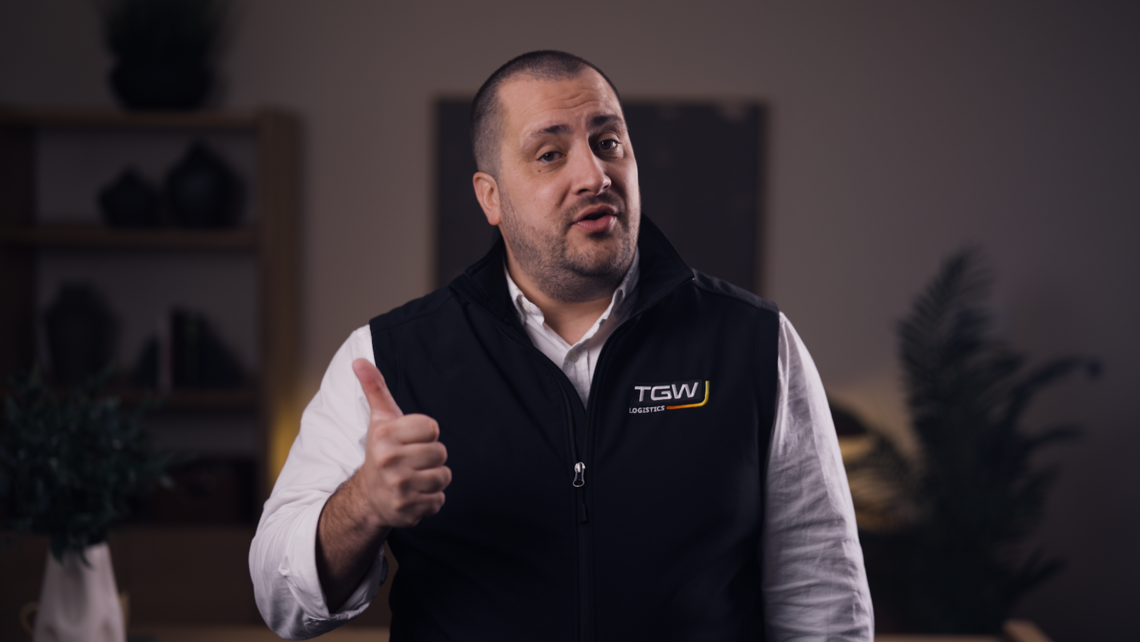
Need the "too long, didn't read" version? Watch the video at right to hear Mike Elliott, Director of Lifetime Services at TGW North America, explain the key insights from this blog. For more relevant videos, check out our "The Automation Conversation" playlist on YouTube.
How Targeted Maintenance Services Extend Site Performance
Extending the life of your site starts with reframing maintenance from a cost center into a strategic lever. In a highly automated environment, the line between maintenance and uptime is thin: a single failed component can halt picking, delay replenishment, or ripple back into missed customer service level agreements (SLAs).
TGW Logistics’ maintenance portfolio is designed to minimize that risk, combining:
- On-site services that embed technicians in your facility to monitor, tune, and repair equipment
- Field services that deliver preventive and corrective maintenance on demand
- Remote services that provide 24/7 system monitoring, diagnostics, and software support
- Spare parts services that ensure critical components are available when you need them
When these maintenance services are coordinated with your broader logistics planning, like forecasted volumes, SKU mix, seasonality, and expansion plans, the impact goes beyond fewer breakdowns. You can stretch the useful life of automation and conveyor assets, and reduce unplanned downtime and emergency callouts. Maintain consistent throughput even as demand patterns evolve. You can even free internal teams from firefighting so they can focus on continuous improvement. Bottom line? It protects your ability to serve the business, not just your equipment.
Conducting a Site Audit to Prioritize Critical Maintenance and Upgrades
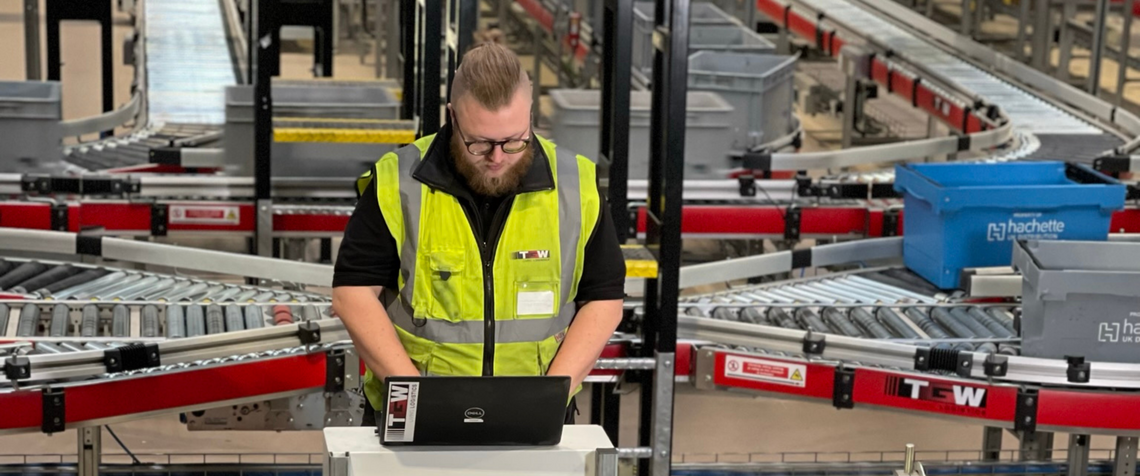
Before you launch a program of upgrades and service contracts, a comprehensive audit can provide a clear view of reality by analyzing multiple dimensions of your logistics services environment:
Condition and criticality of conveyors, shuttles, ASRS modules, sorters, and other key elements
PLCs, WCS/WMS, interfaces to ERP and production systems, cybersecurity risk, and version levels
Where bottlenecks emerge, how inventory moves, and where manual workarounds hide systemic issues
Skills gaps that lead to misuse, improper resets, or delayed fault recovery
Once the audit is complete, each area can be evaluated through a simple but strategic lens: how critical it is to business continuity, how likely it is to fail, and how complex the upgrade process will be. In practice, this means assessing the business impact if an asset fails during peak demand, reviewing historical performance to gauge the probability of failure, and determining whether upgrades can be completed during short maintenance windows or will require extended downtime.
The result is a prioritized action plan that aligns every investment with your operational goals. Some improvements stabilize daily operations and reduce risk in the short term; others focus on protecting throughput and system availability over the next several years. Long-range initiatives prepare the site to handle new sales channels, product categories, and order volumes, laying the foundation for future scalability without the cost of a complete system replacement.
Because the process is data-driven, leadership can clearly see the return on each decision. You’re not requesting funds “just in case.” You’re demonstrating, with measurable evidence, where targeted maintenance services, modernization, or retrofit work will protect revenue and extend asset life.
Leveraging Our Maintenance Services to Reduce Downtime and Extend Equipment Life
Once you know where to focus, the next step is pairing each priority with the right mix of maintenance services. TGW Logistics’ Lifetime Services is intentionally modular, so you can blend:
- Scheduled preventive maintenance
- Replacing wear components before they fail
- Technical cleaning to protect sensors and mechanics
- Fine-tuning control parameters to maintain performance
- Corrective and emergency repair services
- Rapid-response field technicians to diagnose and fix breakdowns
- Access to 24/7 remote support for troubleshooting and incident triage
- Clear escalation paths for high-severity incidents
- Spare parts strategies
- On-site kits for fast replacement of critical parts
- Express delivery options for less common components
- Repair and refurbishment programs to extend component life at a lower cost
- Training services
- Role-based training for operators and maintenance staff
- Certification programs to standardize procedures across shifts
Yes, these services “keep the lights on,” but they also extend the life of aging assets by reducing mechanical stress caused by improper operation or misaligned settings. It’ll also catch early warning signs through monitoring and inspections, and match replacement components with current system specifications. For global industrial logistics and consumer goods logistics operations, this is especially powerful. You can align maintenance regimes across regions, share best practices, and ensure distributed facilities operate to the same standard without duplicating internal expertise.
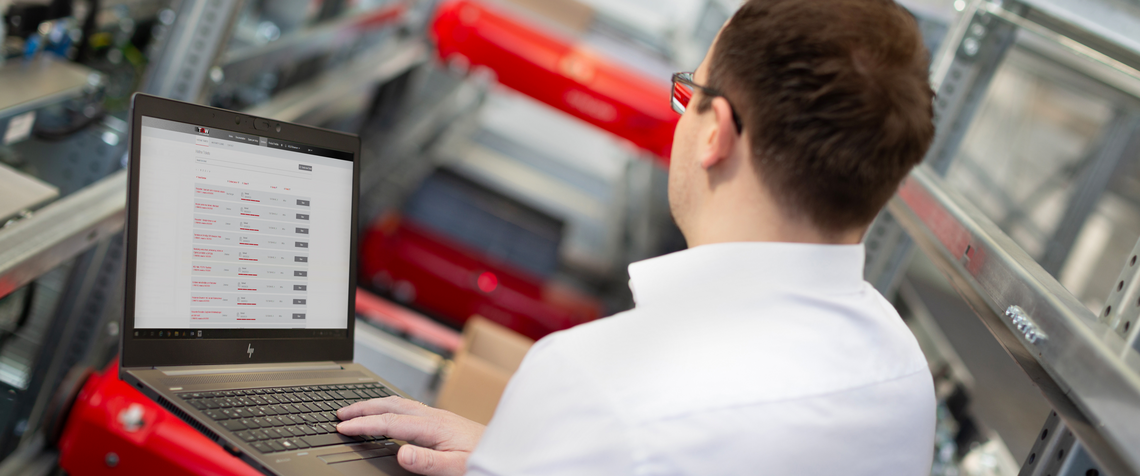
Integrating Software Updates with Mechanical Upkeep for Balanced Modernization
Aging logistics sites rarely suffer only from mechanical wear. Instead, the bigger constraint is outdated software and controls that weren’t designed for today’s demands: omni channel fulfillment, shorter lead times, or more complex sequencing in production environments.
Our Retrofit & Extension Services focus precisely on that intersection of physical and digital modernization. They include:
- Modernization of controls and IT: Updating PLCs, WCS, and WMS interfaces to current standards, improving reliability and cybersecurity
- Software and logic optimization: Refining strategies for storage, picking, replenishment, and routing to match new business rules
- Technology integration: Leveraging automated storage and retrieval systems (ASRS) and mobile robotics to increase accuracy, reduce labor dependency, and improve space utilization
When you coordinate these upgrades with your mechanical maintenance plan, you avoid the classic problems of a “half-modernized” system. New software exposes weaknesses in older mechanical components, while freshly overhauled equipment may still be running on outdated control logic. Security gaps will also emerge in legacy IT applications that require security upgrades, are at end-of-life, or are no longer receiving security updates. A balanced modernization approach eliminates these disconnects by treating your facility as a single integrated logistics ecosystem, where mechanical, control, and software updates move in lockstep, guided by a shared roadmap and supported by TGW Logistics’ services experts.
Building a Phased Improvement Plan for Long-Term ROI
Even the best strategy fails without a realistic timeline and budget. For most operators, the only viable path is a phased approach that improves reliability and capacity while the site stays in operation. A typical roadmap for an aging site might unfold in three stages:
Phase 1: Stabilize and Protect
- Implement high-priority preventive maintenance and emergency response SLAs
- Address known single points of failure, especially in high-volume or high-value flows
- Deploy remote monitoring to gain real-time visibility into system health
Objective: Reduce unplanned downtime and protect current throughput.
Phase 2: Modernize and Optimize
- Upgrade key control systems and software components
- Introduce ASRS or other targeted automation to relieve manual constraints in critical areas
- Optimize material flow, slotting, and replenishment strategies using operational data
Objective: Increase efficiency and flexibility without significant changes to the footprint.
Phase 3: Extend and Expand
- Execute site extensions to add capacity via extra aisles, new modules, or additional mezzanines
- Reconfigure zones to support new channels or product categories
- Expand maintenance services coverage to keep the extended system running at peak performance
Objective: Future-proof your operation by building scalable capacity and sustaining peak performance across a larger, more complex logistics network.
Throughout each phase, measurable milestones should be defined to tie progress directly to business outcomes. Metrics such as mean time between failures (MTBF), mean time to repair (MTTR), on-time shipment performance, order cycle times, capacity utilization in storage and picking areas, and cost per order or per line picked provide tangible proof of improvement. By connecting these KPIs to your phased roadmap, you create a straightforward, data-backed narrative for leadership that shows how every maintenance and retrofit investment directly supports revenue growth, service levels, and customer experience.
Keep Your Facility Productive with TGW’s Comprehensive Services
Not every aging logistics site needs a clean-slate redesign. With the right mix of maintenance services, software modernization, and retrofit projects, many facilities can deliver years of additional value, often with better performance than they had in their “prime.”
TGW Logistics offers end-to-end logistics services, including consulting and audits, on-site and remote maintenance, spare parts, and Retrofit & Extension Services. That combination gives you a partner who can:
- Diagnose where your system truly stands today
- Design a pragmatic, phased roadmap aligned with your business strategy
- Execute the plan with minimal disruption to daily operations
- Provide ongoing logistics support to keep performance high as your needs evolve
If you’re responsible for an aging distribution center or production-support warehouse, now is the moment to rethink its potential. Keep your facility productive, resilient, and future-ready with TGW Logistics’ comprehensive maintenance services. Contact us today to turn “aging” into a competitive advantage rather than a constraint.
TGW Logistics is a foundation-owned enterprise headquartered in Austria and a global leader in warehouse automation and warehouse logistics. As a trusted systems integrator with more than 50 years of experience, we provide end-to-end services: designing, implementing, and maintaining fulfillment centers powered by mechatronics, robotics, and advanced software solutions.
With over 4,600 employees across Europe, Asia, and North America, we combine expertise, innovation, and a customer-centric dedication to help keep your business growing. With TGW Logistics, it's possible to transform your warehouse logistics into a competitive advantage.