

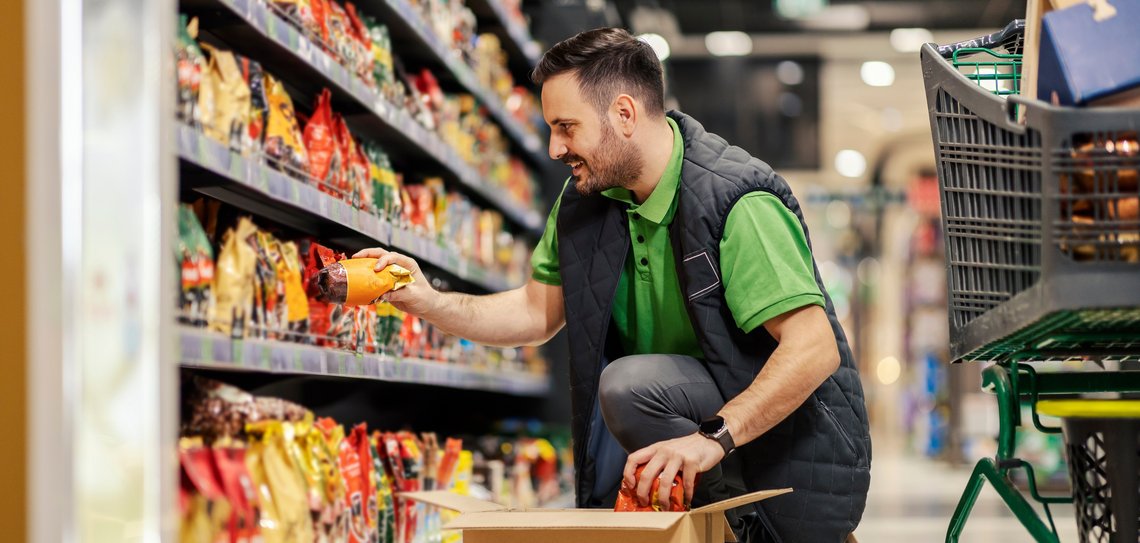
I’ve spent much of my career in grocery operations – in the areas where supply chain performance becomes immediately visible: store backrooms before opening, replenishment processes under peak pressure, and daily operations where service levels are either secured or lost.
Over the years, one insight has remained consistent: store replenishment is where supply chain strategy ultimately proves its value. Because availability is not defined by forecasts or planning accuracy alone, but by how reliably operations perform under real-world conditions – across labor shortages, rising SKU complexity, and increasing customer expectations.
For grocery retailers, this makes replenishment far more than an operational process. It is a direct lever for customer satisfaction, profitability, and long-term resilience.
My name is Michael Schedlbauer, Vice President Market Development Grocery.
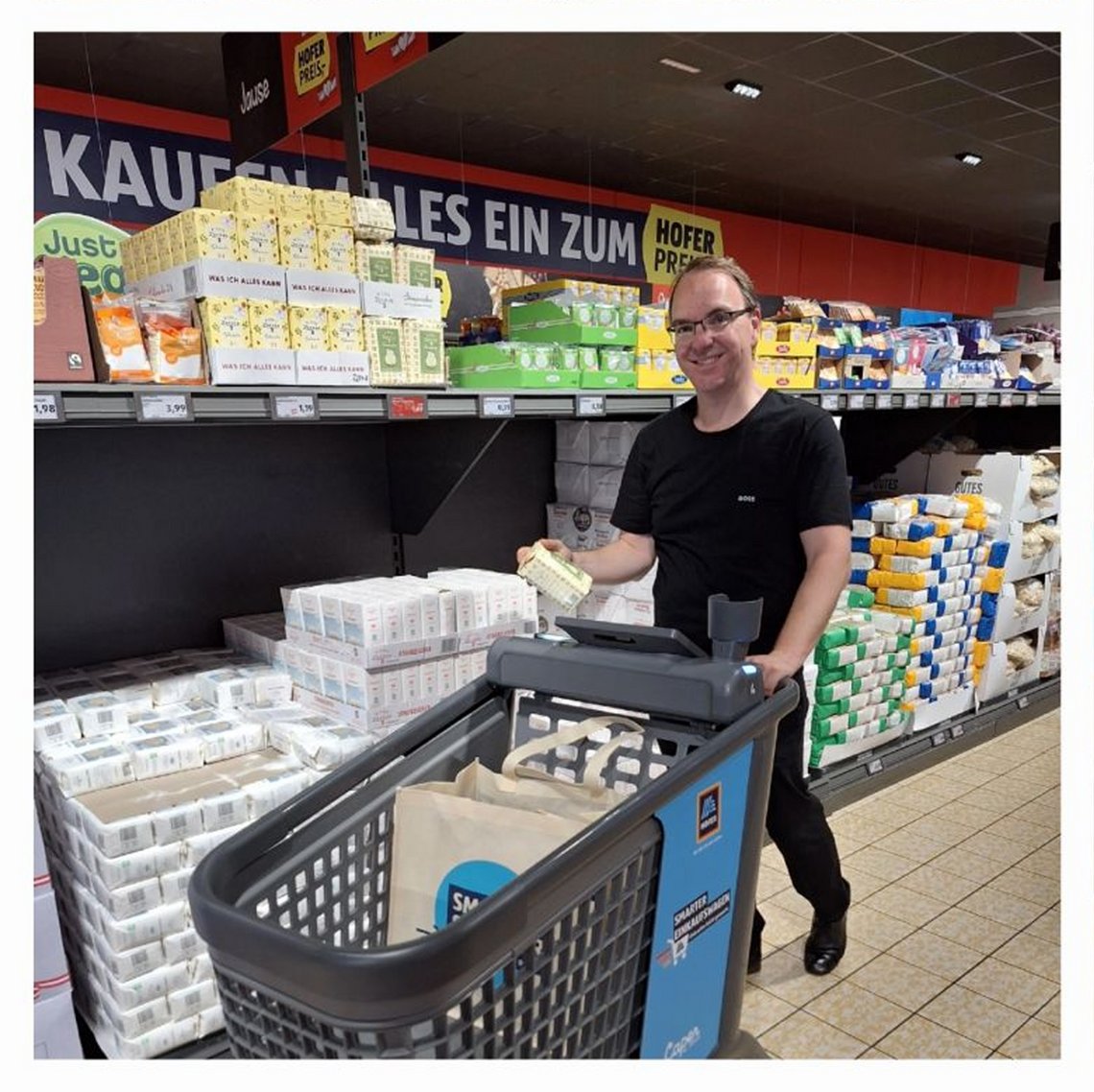
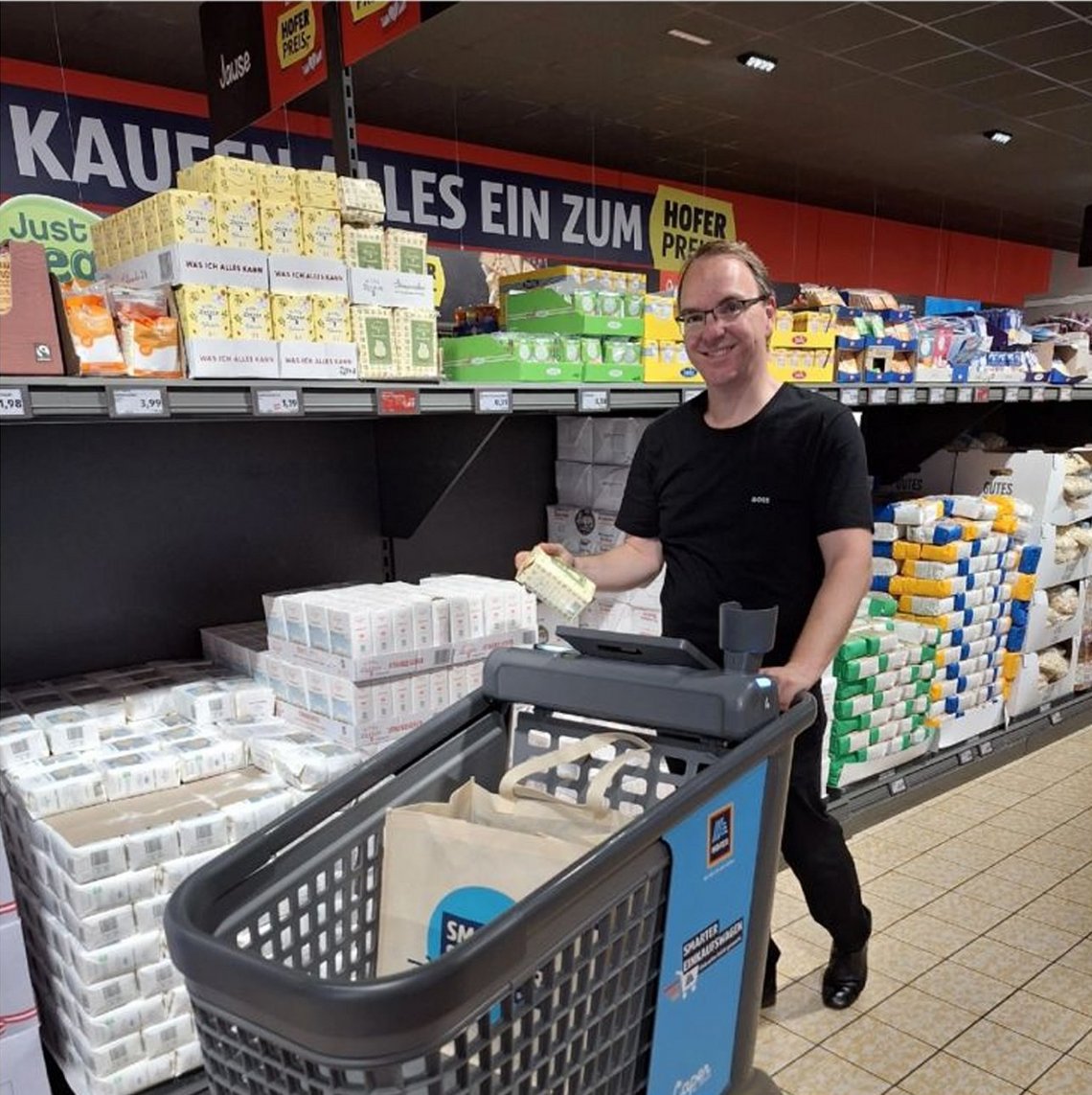
The Growing Pressure on Grocery Replenishment Operations
And that stress is increasing: tighter delivery windows, more volatile demand, broader assortments, and the need to orchestrate ambient, chilled, and frozen flows as one synchronized system. What differentiates leading grocery organizations is a clear shift in mindset: resilient replenishment is no longer treated as an operational detail. It is viewed as a strategic capability.
It begins with decisions that may appear small individually, but scale significantly across the network – for example, sequencing load carriers according to store logic to simplify shelf replenishment and reduce labor intensity at store level. It continues with systems engineered to maintain stable throughput during peaks, exactly when availability matters most and operational buffers disappear.
An integrated approach across temperature zones is equally critical. Ambient, chilled, and frozen flows cannot operate in silos if retailers aim to maintain cold-chain integrity while achieving operational efficiency. But the true differentiator is revealed elsewhere: not during standard operations, but in how the system performs when disruption occurs.
Because disruptions are inevitable.
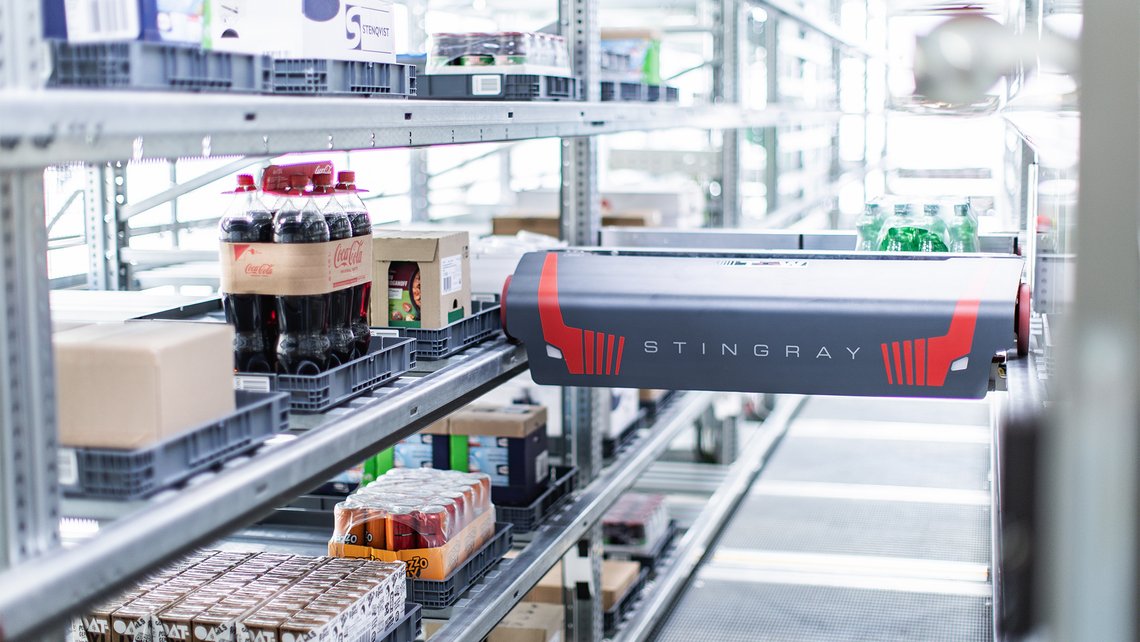
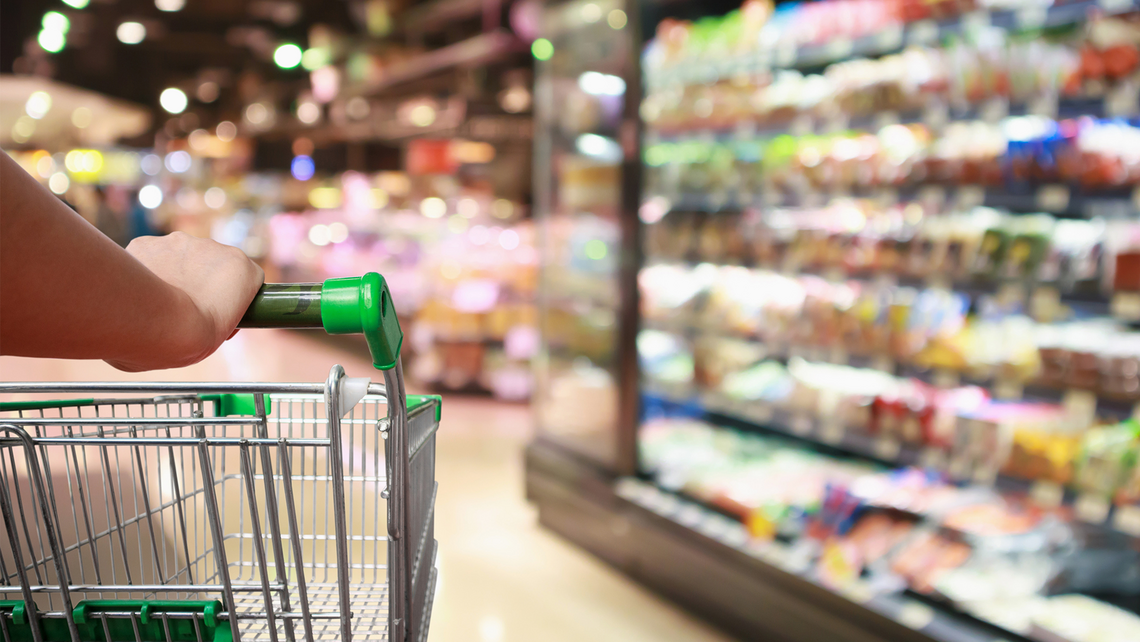
Why Resilience Matters During Disruptions
The defining question for grocery operations is no longer whether disruptions happen. It is whether the operation depends on everything functioning perfectly – or whether it is designed to continue performing under imperfect conditions. This is where resilience becomes measurable.
It is reflected in redundancies that protect throughput, clearly defined intervention points that minimize downtime, and recovery processes that are engineered rather than improvised. In other words, resilience is the ability to maintain operational flow despite variability and disruption.
At network level, this thinking translates into structural decisions: more frequent store deliveries to reduce dependency on buffers, mixed-case capabilities to increase flexibility, dense packing strategies to optimize transport utilization, and multi-node fulfillment networks that balance efficiency with responsiveness.
The Commercial Impact of Resilient Replenishment
The outcome extends far beyond operational stability. Resilient replenishment directly impacts commercial performance through higher on-shelf availability, more predictable store operations, improved labor efficiency, and a stronger ability to absorb volatility without transferring complexity to the customer experience. Ultimately, resilient replenishment is not about eliminating complexity. Grocery supply chains will continue to become more dynamic and demanding.
The objective is to perform through complexity – consistently, reliably, and at scale – to protect shelf availability every single day.
Talk to an Expert About Resilient Replenishment
Want to explore how resilient replenishment strategies can improve shelf availability, operational stability, and grocery supply chain performance?
Connect with Michael Schedlbauer to discuss how leading grocery networks are building more flexible, high-performing replenishment operations.


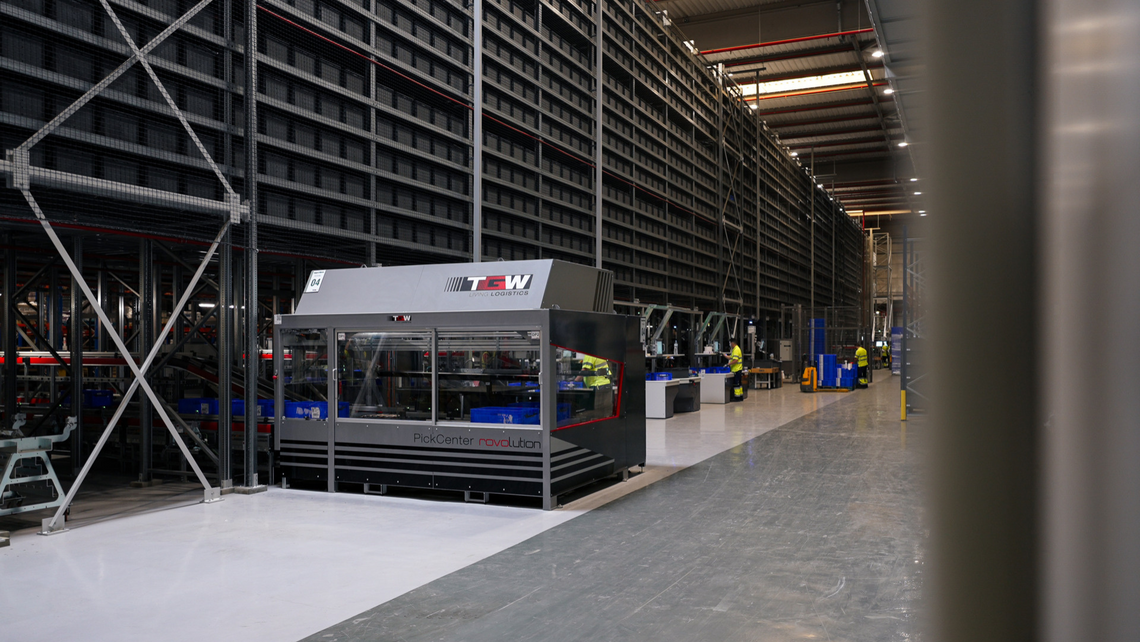
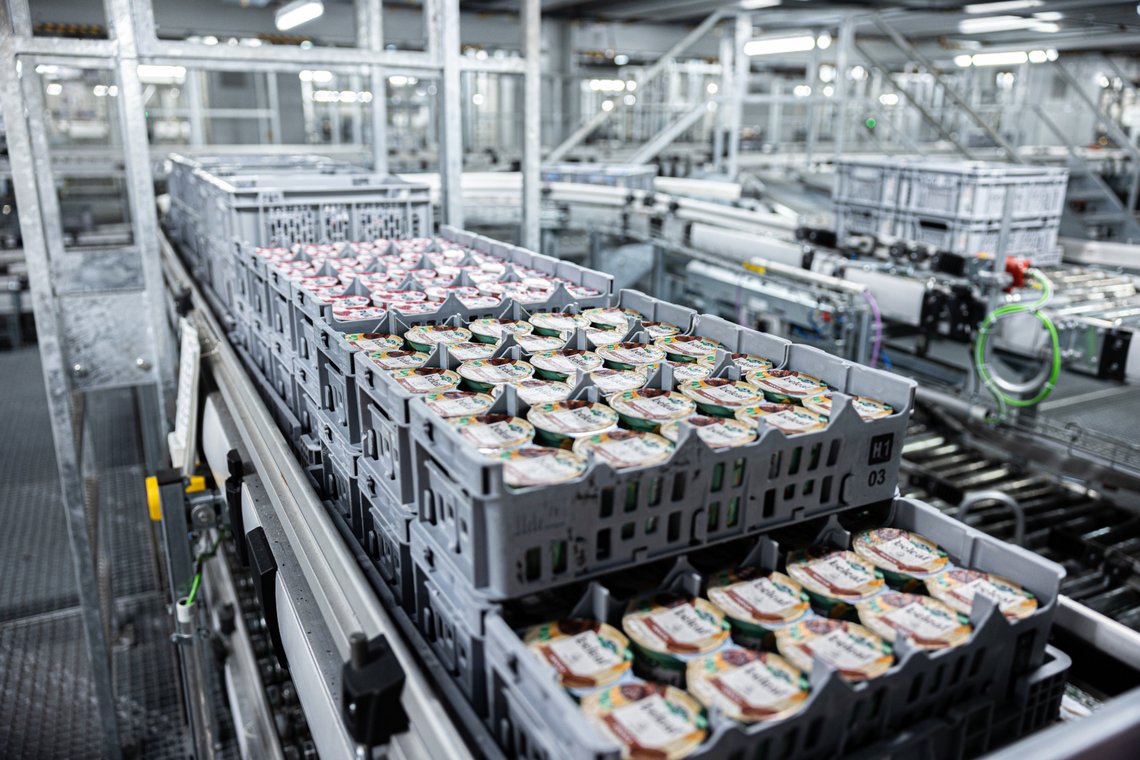
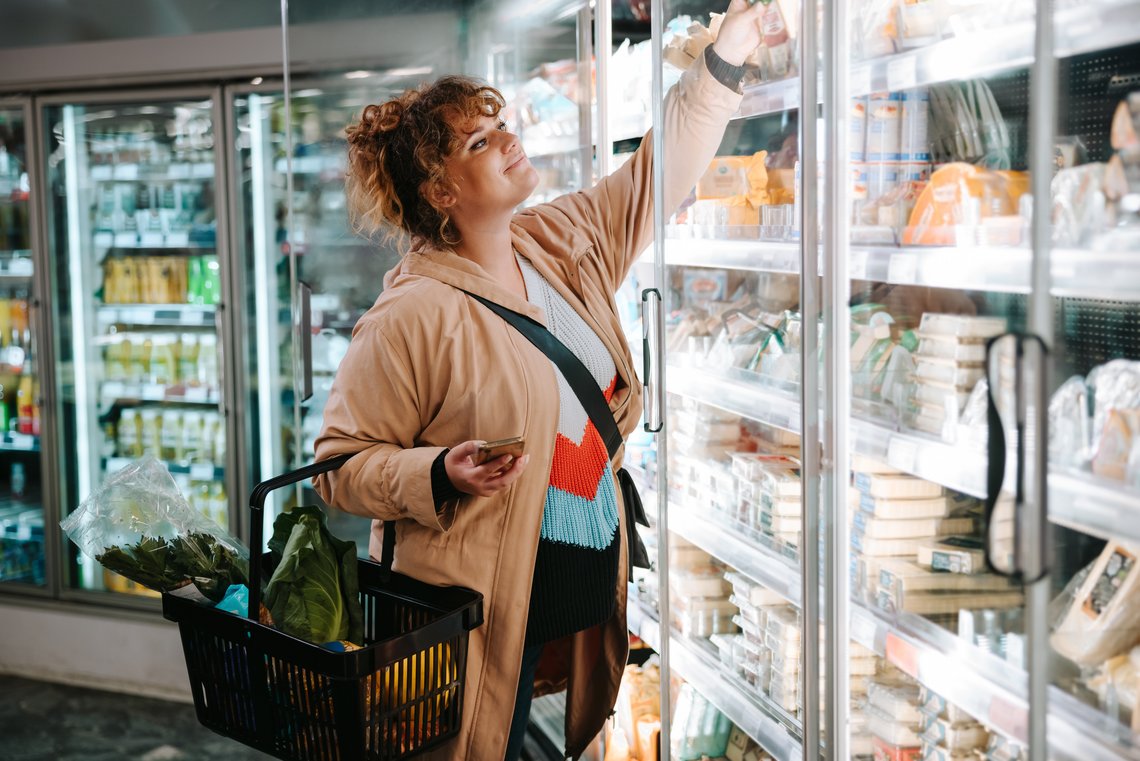
TGW Logistics is a foundation-owned enterprise headquartered in Austria and a global leader in warehouse automation and warehouse logistics. As a trusted systems integrator with more than 50 years of experience, we provide end-to-end services: designing, implementing, and maintaining fulfillment centers powered by mechatronics, robotics, and advanced software solutions.
With over 4,600 employees across Europe, Asia, and North America, we combine expertise, innovation, and a customer-centric dedication to help keep your business growing. With TGW Logistics, it's possible to transform your warehouse logistics into a competitive advantage.