
Skip to main navigation Skip to main content Skip to page footer
Do you have questions about our products and services?
Our team will be happy to help you. You can reach us at
Blog Post

Robotics in logistics as a response to new operational challenges

Warehouse robotics has evolved from an emerging technology into an increasingly integrated component of modern logistics operations. In an environment shaped by demand volatility, cost pressure, and growing labor shortages, robotic solutions enable companies to design operations that are more flexible, scalable, and resilient. These systems help adapt to fluctuating demand while maintaining high levels of operational efficiency.

Today, logistics automation is no longer limited to large, highly standardized facilities. Advances in robotics and software now make it possible to automate processes that would have been considered impractical just five or ten years ago, particularly those involving high SKU variability, slow-moving inventory, or significant space constraints.
Flexibility and scalability: key advantages of logistics robotics and warehouse automation

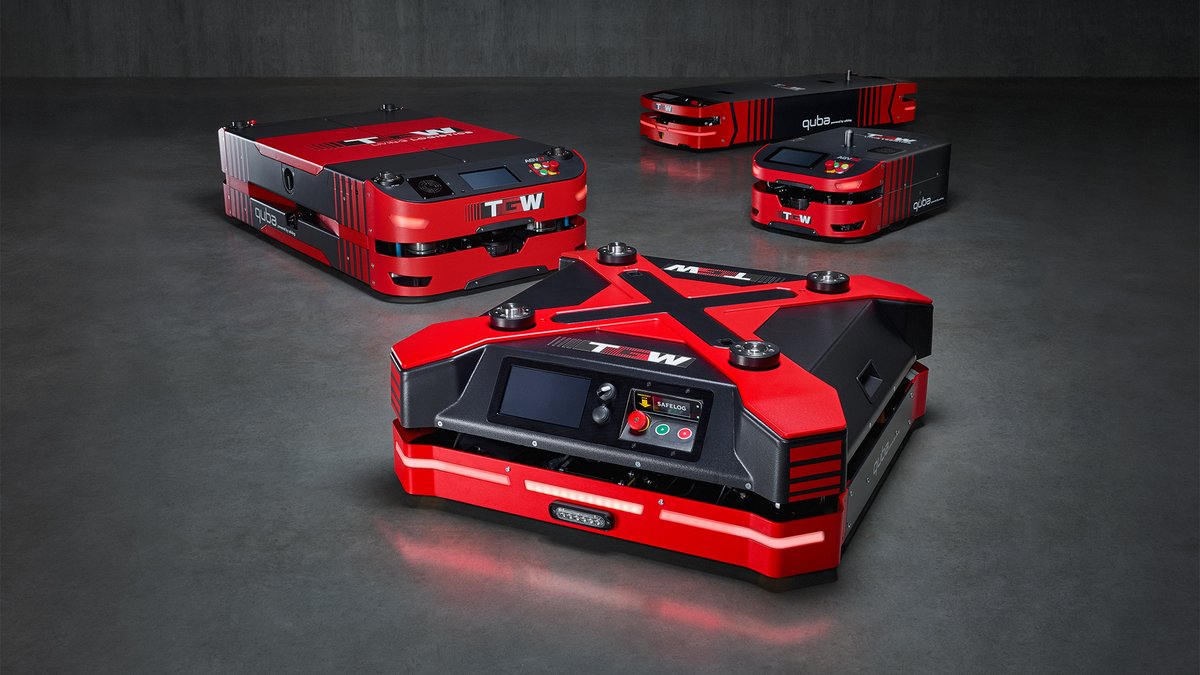
Modern logistics operations combine people, technologies, and systems of many different types. However, the most effective solutions typically share three essential characteristics: flexibility, scalability, and redundancy. Robotics applied to logistics responds well to these requirements.

Compared with more rigid automation approaches, robotic systems can handle SKUs of very different sizes, weights, and formats within the same environment while maintaining high productivity levels. In practice, this allows companies to start automation projects with a manageable initial investment and expand them progressively as business needs evolve.

For many organizations, this approach makes it possible to launch warehouse automation projects that might otherwise be postponed indefinitely.

Robotics as a lever for unlocking complex logistics projects

The potential of robotics becomes especially clear in projects that initially seemed unfeasible due to cost constraints, construction requirements, or structural limitations. In these situations, robotics provides a new path forward: implementing compact Goods-To-Person (GTP) solutions capable of storing and managing large numbers of very slow-moving SKUs within limited space.

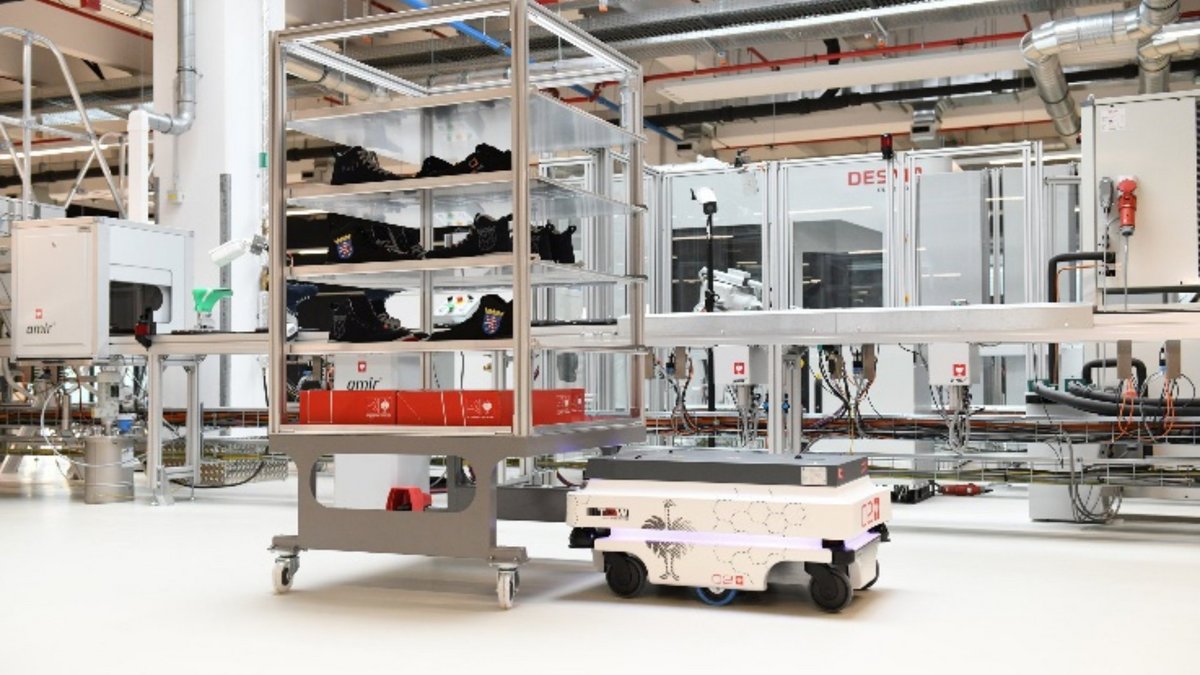
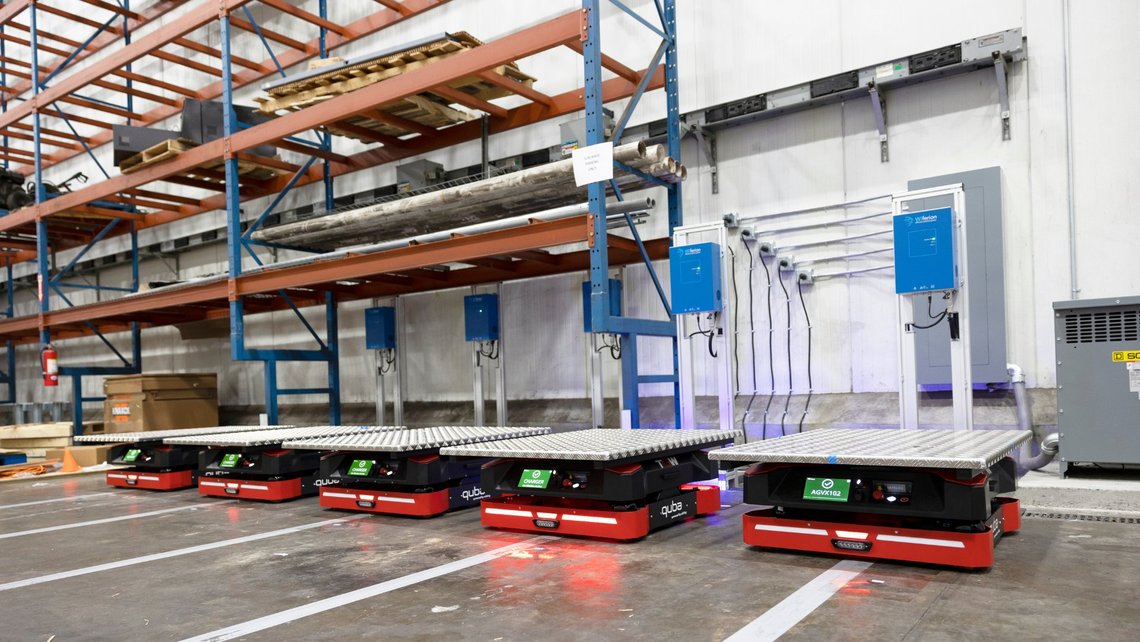
Thanks to mobile robotic bases, it becomes possible to handle large and heavy items alongside smaller and lighter products within the same system. Achieving this level of versatility is far more complex with traditional automation systems.

As a result, many companies move from being unable to automate their warehouse operations to having a fully operational system in place, delivering measurable improvements in efficiency, ergonomics, operational control, and space utilization.

The real challenge of logistics robotics: transforming processes and mindset

When launching a warehouse robotics project, the main challenge is often not technological but conceptual. Automation is not about simply replicating an existing manual process, it requires rethinking workflows from the ground up.

Robotics requires adapting operational flows, removing process bottlenecks, and accepting a reorganization of the logistics model. As with any advanced technology, the surrounding environment must be adapted to ensure optimal performance.

As manufacturers and system integrators, the goal is to minimize the impact of change and adapt the technology to each business environment. However, for a project to succeed, organizations must also be willing to evolve the way they operate. In practice, automation drives continuous improvement in processes and organizational structures.

A decade of transformation for robotics in logistics

The logistics sector is undergoing rapid transformation. After years of gradual technological progress, advanced robotics, artificial intelligence, and logistics software are increasingly converging to reshape warehouse operations.

This technological shift is accompanied by a complex labor environment, including shortages of workers for certain operational roles and declining interest in some physically demanding jobs. In this context, automation does not necessarily replace human labor; instead, it helps address real operational challenges faced by many companies.

Over the next decade, robotics in logistics will continue to expand, and warehouse automation will move from being an exception to becoming a standard operational model. Increasingly, companies of all sizes including small and medium-sized businesses, will integrate robotic solutions as a natural part of their daily operations.

TGW Logistics is a foundation-owned enterprise headquartered in Austria and a global leader in warehouse automation and warehouse logistics. As a trusted systems integrator with more than 50 years of experience, we provide end-to-end services: designing, implementing, and maintaining fulfillment centers powered by mechatronics, robotics, and advanced software solutions.

With over 4,600 employees across Europe, Asia, and North America, we combine expertise, innovation, and a customer-centric dedication to help keep your business growing. With TGW Logistics, it's possible to transform your warehouse logistics into a competitive advantage.